Telehealth Liability: Why Standard Malpractice Insurance Might Not Cover You Across State Lines
By Dr. Krishan Kumar
Jan 25, 2026
1 min read
AdSense Content Placeholder
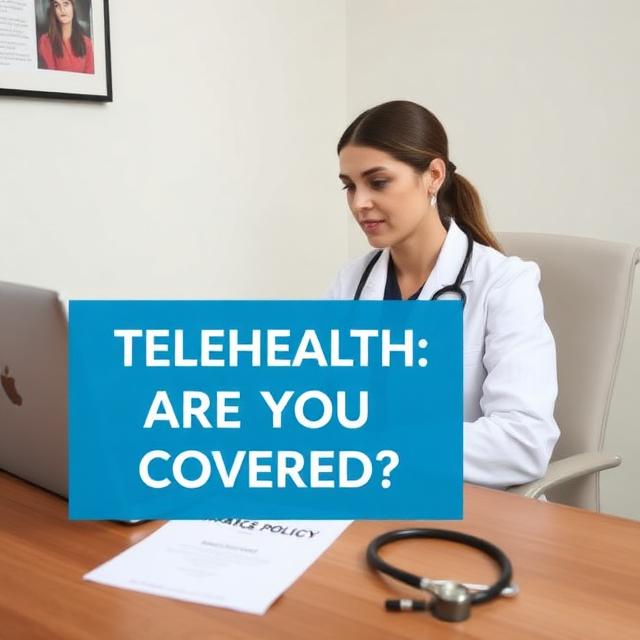
The rise of telehealth has revolutionized patient care, but it has also created a legal "gray area" for medical practitioners. If you provide virtual consultations, relying on your standard, brick-and-mortar malpractice insurance could be a costly mistake.
As we move further into 2026, state regulations regarding "where the care occurs" are becoming more stringent. Here is what every telehealth provider needs to know about securing their practice.
The 'Location of Care' Trap
In the eyes of the law, healthcare is usually considered to occur where the patient is located, not where the provider is sitting. If you are licensed in New York but see a patient virtually while they are on vacation in Florida, your standard policy might not cover a claim if Florida's specific regulations weren't met.
Key Features of a Telehealth-Specific Policy:
Multi-State Coverage: Ensure your policy includes an "Extraterritorial Clause," which covers you for patients located in any state where you hold a valid license or compact privilege.
Cyber Liability Integration: Since telehealth depends entirely on digital platforms, a data breach or HIPAA violation is a greater risk than a physical slip-and-fall. Your insurance should bundle "Cyber & Privacy" coverage.
Technology Failure Protection: What happens if your platform crashes during a critical mental health crisis? Some specialized policies offer coverage for "Media Liability" or "Technology Errors and Omissions."
How to Verify Your Coverage:
Audit your 'Scope of Practice' statement: Does it explicitly mention "Synchronous" (live video) and "Asynchronous" (messaging) care?
Check the 'Consent to Settle' clause: In YMYL professions, your reputation is everything. Look for a policy that gives you a say in whether a claim is settled or fought in court.
Verify 'Tail Coverage': If you switch insurers or retire, ensure you have "Prior Acts" coverage to protect you from claims that arise from consultations you did months or years ago.
Disclaimer: Insurance requirements vary significantly by profession and jurisdiction. This guide is for educational purposes and does not constitute legal or financial advice. Always consult with a licensed insurance broker specializing in medical professional liability.
As we move further into 2026, state regulations regarding "where the care occurs" are becoming more stringent. Here is what every telehealth provider needs to know about securing their practice.
The 'Location of Care' Trap
In the eyes of the law, healthcare is usually considered to occur where the patient is located, not where the provider is sitting. If you are licensed in New York but see a patient virtually while they are on vacation in Florida, your standard policy might not cover a claim if Florida's specific regulations weren't met.
Key Features of a Telehealth-Specific Policy:
Multi-State Coverage: Ensure your policy includes an "Extraterritorial Clause," which covers you for patients located in any state where you hold a valid license or compact privilege.
Cyber Liability Integration: Since telehealth depends entirely on digital platforms, a data breach or HIPAA violation is a greater risk than a physical slip-and-fall. Your insurance should bundle "Cyber & Privacy" coverage.
Technology Failure Protection: What happens if your platform crashes during a critical mental health crisis? Some specialized policies offer coverage for "Media Liability" or "Technology Errors and Omissions."
How to Verify Your Coverage:
Audit your 'Scope of Practice' statement: Does it explicitly mention "Synchronous" (live video) and "Asynchronous" (messaging) care?
Check the 'Consent to Settle' clause: In YMYL professions, your reputation is everything. Look for a policy that gives you a say in whether a claim is settled or fought in court.
Verify 'Tail Coverage': If you switch insurers or retire, ensure you have "Prior Acts" coverage to protect you from claims that arise from consultations you did months or years ago.
Disclaimer: Insurance requirements vary significantly by profession and jurisdiction. This guide is for educational purposes and does not constitute legal or financial advice. Always consult with a licensed insurance broker specializing in medical professional liability.
Reviewed By
Dr. Krishan Kumar CFA, MBA
Senior Financial Analyst with 15 years of experience.